
Pterygium: Causes, Symptoms & When To See An Eye Specialist
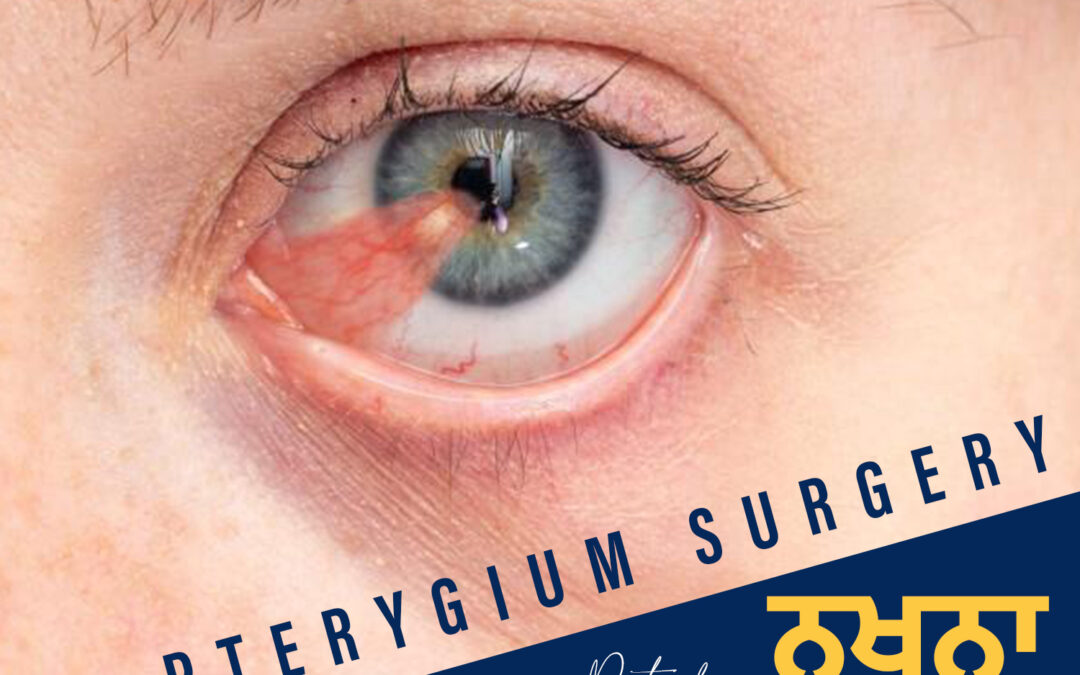
Pterygium is a common eye condition that appears as a fleshy, triangular growth on the white part of the eye (sclera) and may extend onto the cornea. Though often harmless in early stages, pterygium can progress over time and affect vision if left untreated.
At LJ Eye Institute, Patiala, we provide accurate diagnosis and advanced treatment for pterygium, ensuring comfort, safety, and long-term eye health for our patients.
What Is Pterygium?
Pterygium (commonly called Surfer’s Eye) is a non-cancerous growth of conjunctival tissue that gradually spreads toward the cornea. It usually develops on the inner corner of the eye but can appear on the outer side as well.
In mild cases, pterygium may cause only cosmetic concerns, but advanced growth can distort the cornea, leading to blurred vision and irritation.
Causes of Pterygium
The exact cause of pterygium is not always clear, but several environmental and lifestyle factors increase the risk:
- Prolonged exposure to ultraviolet (UV) rays
- Long-term exposure to dust, wind, and smoke
- Dry and hot climatic conditions
- Outdoor work without eye protection
- Chronic eye irritation
People living in sunny regions or working outdoors are more prone to developing pterygium.
Common Symptoms of Pterygium
Symptoms may vary depending on the size and progression of the growth:
- Redness and irritation in the eye
- Dryness or burning sensation
- Foreign body sensation
- Cosmetic appearance of a visible growth
- Blurred or distorted vision (in advanced cases)
- Difficulty wearing contact lenses
If symptoms worsen or vision is affected, medical evaluation is strongly recommended.
How Is Pterygium Diagnosed?
Pterygium is diagnosed through a comprehensive eye examination. At LJ Eye Institute, Patiala, diagnosis may include:
- Slit-lamp examination
- Visual acuity testing
- Corneal curvature assessment (if vision is affected)
Early diagnosis helps prevent complications and unnecessary progression.
Treatment Options for Pterygium
Treatment depends on the severity of symptoms and the impact on vision.
1. Non-Surgical Treatment
For mild cases, treatment focuses on symptom relief:
- Lubricating eye drops
- Anti-inflammatory medications
- Protective sunglasses to reduce UV exposure
These measures help control irritation but do not remove the growth.
2. Pterygium Surgery
Surgery is recommended when:
- The growth interferes with vision
- There is increasing discomfort or redness
- Pterygium continues to grow toward the cornea
- Cosmetic concerns affect confidence
Modern pterygium surgery involves safe removal techniques with tissue grafting to reduce recurrence and promote faster healing.
Recovery After Pterygium Surgery
Post-surgical recovery is usually smooth with proper care:
- Mild redness and discomfort for a few days
- Use of prescribed eye drops
- Avoid rubbing the eyes
- Wear sunglasses outdoors
Most patients can return to normal activities within a short period, with excellent cosmetic and visual results.
When Should You See an Eye Specialist?
You should consult an eye specialist if you experience:
- Persistent eye redness or irritation
- A visible growth on the eye
- Increasing eye discomfort
- Blurred vision or astigmatism
- Difficulty with contact lenses
Early consultation helps prevent vision-related complications.

Meet Our Eye Specialist
Dr. Vikas Mittal
Cataract, LASIK & Cornea Specialist
20+ Years of Clinical Experience
Dr. Vikas Mittal has extensive experience in managing corneal conditions, including pterygium. His expertise ensures safe surgical outcomes with minimal recurrence and excellent patient satisfaction.
Why Choose LJ Eye Institute, Patiala?
- Experienced cornea specialist
- Advanced surgical techniques
- Modern diagnostic equipment
- Personalized patient care
- Trusted eye hospital in Patiala
We are committed to delivering ethical, advanced, and compassionate eye care.