
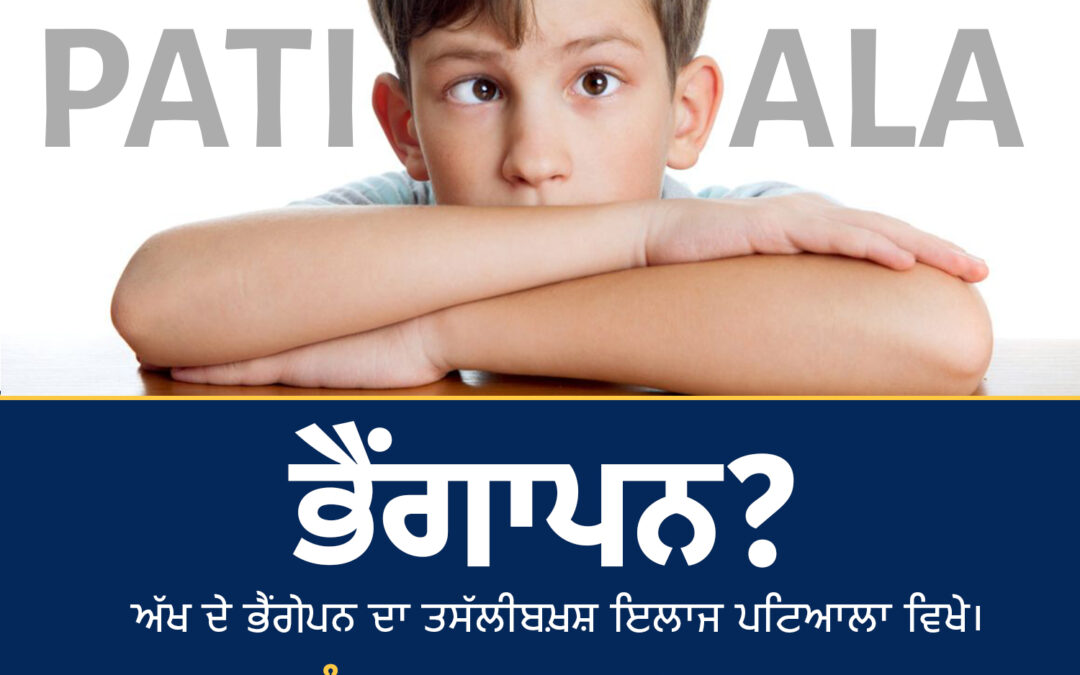
Squint (strabismus): Causes, Symptoms & Treatment Options
Squint, medically known as strabismus, is a condition in which the eyes are not properly aligned and do not look in the same direction at the same time. One eye may turn inward, outward, upward, or downward while the other eye focuses normally. Squint can affect both children and adults and may lead to vision problems if not treated on time.
At LJ Eye Institute, Patiala, we provide comprehensive evaluation and advanced treatment options for squint, helping patients achieve better eye alignment, improved vision, and increased confidence.
What Is Squint (Strabismus)?
Squint occurs when the muscles that control eye movement do not work together properly. As a result, the brain receives two different images from each eye and may ignore the image from the misaligned eye. Over time, this can lead to reduced vision in that eye, known as amblyopia (lazy eye).
Squint can be present from birth or develop later in life due to various causes.
Types of Squint
Squint can be classified based on the direction of eye deviation:
- Esotropia – One eye turns inward
- Exotropia – One eye turns outward
- Hypertropia – One eye turns upward
- Hypotropia – One eye turns downward
Squint can also be constant or intermittent and may affect one or both eyes.
Causes of Squint
The causes of squint vary depending on age and underlying conditions:
- Weak or imbalanced eye muscles
- Refractive errors such as myopia, hyperopia, or astigmatism
- Family history of squint
- Congenital eye or nerve abnormalities
- Premature birth or low birth weight
- Childhood illnesses or infections
- Trauma or injury to the eye or brain
- Stroke, diabetes, or neurological conditions (in adults)
Identifying the underlying cause is essential for effective treatment.
Common Symptoms of Squint
Symptoms of squint may include:
- Misaligned eyes
- Double vision
- Poor depth perception
- Eye strain or headaches
- Closing or covering one eye to see clearly
- Tilting or turning the head
- Difficulty reading or focusing
In children, squint may not cause obvious symptoms, making regular eye check-ups very important.
How Is Squint Diagnosed?
At LJ Eye Institute, Patiala, squint is diagnosed through a detailed eye examination that may include:
- Visual acuity testing
- Eye alignment and movement assessment
- Refraction to detect spectacle power
- Binocular vision tests
- Fundus examination
Early diagnosis significantly improves treatment success, especially in children.
Treatment Options for Squint
Treatment of squint depends on the type, severity, age of the patient, and underlying cause. A combination of treatments may be required.
1. Glasses or Contact Lenses: Correcting refractive errors can help align the eyes in some cases, especially accommodative squint in children.
2. Patching Therapy: Patching the stronger eye forces the weaker eye to work, helping treat amblyopia (lazy eye), especially in young children.
3. Vision Therapy: Special eye exercises help improve coordination, focusing ability, and binocular vision in selected cases.
4. Squint Surgery: Squint surgery is recommended when non-surgical methods are insufficient. The procedure involves adjusting the eye muscles to improve alignment.
- Safe and effective procedure
- Performed under anesthesia
- Can significantly improve eye alignment and appearance
- May be combined with other treatments
Squint Treatment in Children vs Adults
Children
- Early treatment is crucial
- Better visual recovery if treated before 7–8 years of age
- Combination of glasses, patching, and surgery may be used
Adults
- Treatment improves eye alignment and quality of life
- Reduces double vision and eye strain
- Cosmetic and psychological benefits
It is never too late to seek treatment for squint.

Meet Our Squint & Eye Specialist
Dr. Vikas Mittal
Cataract, LASIK & Cornea Specialist
20+ Years of Clinical Experience
Dr. Vikas Mittal has vast experience in diagnosing and managing complex eye conditions, including squint and associated vision disorders. His patient-focused approach ensures accurate diagnosis and customized treatment plans for both children and adults.
Why Choose LJ Eye Institute, Patiala?
- Experienced eye specialist
- Advanced diagnostic equipment
- Child-friendly and patient-centric care
- Ethical treatment approach
- Trusted eye hospital in Patiala
We are committed to providing safe, effective, and compassionate eye care for every patient.
When Should You See an Eye Specialist?
You should consult an eye specialist if you notice:
- Misalignment of eyes in a child or adult
- Frequent headaches or eye strain
- Difficulty focusing or reading
- Double vision
- Family history of squint
Early consultation can prevent long-term vision problems.